ICOM IC-A25N Handheld NAV/COM Transceiver w/ Bluetooth – Open Box: Reliable NAV/COM Performance
ICOM IC-A25N Handheld NAV/COM Transceiver w/ Bluetooth – Open Box: Reliable NAV/COM Performance
Blog Article
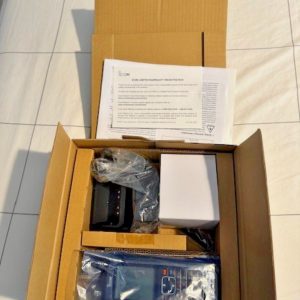
:::writingvariant="document" id="58314" ICOM IC-A25N Handheld NAV/COM Transceiver w/ Bluetooth – Open Box: Versatile Cockpit and Ground Communication The ICOM IC-A25N Handheld NAV/COM Transceiver w/ Bluetooth – Open Box is a versatile communication and navigation device for pilots, flight instructors, aircraft operators, aviation students, and ground personnel who require dependable portable radio capability. An open-box ICOM transceiver can be attractive to buyers who want dependable features while reducing the cost of purchasing professional aviation equipment. The ICOM IC-A25N Handheld NAV combines practical portability with features intended to support situational awareness and reliable aviation operations. A capable ICOM IC-A25N Aviation Radio can provide additional confidence during flights, training activities, maintenance events, and ground operations. The ICOM IC-A25N Handheld Radio can be carried conveniently in a flight bag, stored as backup cockpit equipment, used during preflight activities, or assigned to aviation personnel who require portable communication. The Handheld NAV/COM Aviation Transceiver format offers useful flexibility to pilots who want one compact tool for several operational requirements. Whether the requirement is a Handheld Aviation Radio, Aviation NAV/COM Radio, Pilot Handheld Radio, or Aircraft Communication Radio, buyers should review package condition, included accessories, battery health, and operational compatibility before purchase. The handheld format makes the unit relevant to buyers comparing Emergency Aviation Radio, Backup Aircraft Radio, ICOM Pilot Radio, and portable navigation communication equipment.
Key Benefits of the ICOM IC-A25N Transceiver
This handheld transceiver offers pilots a convenient way to carry aviation communication equipment independently of the aircraft’s installed radio system. Its practical value comes from combining mobility, recognizable controls, aviation-focused operation, rechargeable power, and multiple communication or navigation functions. Real-world results depend on setup, antenna use, radio configuration, location, surrounding structures, and the condition of the complete package. A backup radio provides greater value when the pilot has already practiced frequency selection, volume adjustment, navigation functions, Bluetooth setup, and battery management.ICOM IC-A25N Handheld NAV Features
A handheld NAV radio can be valuable to flight instructors who demonstrate aviation communication and navigation concepts during training. Ground personnel can use an appropriate handheld radio for monitoring or coordination where local procedures and regulations allow. The handheld radio should be operated according to the manufacturer’s instructions and integrated responsibly into the pilot’s overall workflow. Organized cockpit placement improves access while protecting the radio from impact, movement, moisture, and accidental activation.Using the ICOM IC-A25N Aviation Radio
Aviation professionals can carry the IC-A25N when moving between aircraft instead of depending entirely on equipment installed in one cockpit. Maintenance providers may monitor aviation activity while working outside the aircraft or more info coordinating ground movements. An open-box product should be evaluated carefully even when it appears unused or lightly handled. A functional demonstration can confirm that the radio powers on, accepts charging, responds to controls, displays information, produces audio, and recognizes included equipment.ICOM IC-A25N Handheld Radio Convenience
A compact radio can remain in a flight bag alongside headsets, charts, flashlights, batteries, and other essential pilot equipment. A secure carrying arrangement can keep the radio accessible without allowing it to move around the cockpit during turbulence or abrupt maneuvering. Portability also allows the radio to be charged and configured away from the aircraft, helping pilots prepare frequencies and settings before entering the cockpit. The radio should be removed from environments where condensation, fuel, oil, cleaning products, or maintenance debris may cause damage.Maintaining a Handheld NAV/COM Aviation Transceiver
The device may be especially valuable to pilots who operate older aircraft, rented aircraft, or airplanes with limited redundancy. Buyers should compare interface design, battery options, charging arrangements, antenna quality, accessory availability, display readability, audio performance, and operational needs. A handheld transceiver becomes more dependable when it is included in routine preflight preparation rather than checked only during emergencies. An equipment log may be helpful for flight schools, shared aircraft, or aviation businesses where several users handle the same device.Choosing a Handheld Aviation Radio
A Handheld Aviation Radio is a practical tool for private pilots, instructors, students, mechanics, aircraft owners, flight schools, and airport support personnel. Pilots should avoid assuming that an unused radio stored for years will operate correctly without battery care and periodic testing. The operating manual and applicable aviation procedures should guide setup and use. Pilots must use aviation frequencies responsibly and comply with applicable licensing, authorization, frequency, and communication requirements.Aviation NAV/COM Radio Applications
An integrated aviation radio can provide a convenient secondary tool during flight planning, cockpit preparation, and selected in-flight operations. Pilots should avoid changing complex settings when attention is required for aircraft control, traffic awareness, navigation, or communication duties. Pilots should maintain current charts, navigation planning, weather awareness, and suitable avionics for the flight being conducted. Paired accessories and Bluetooth connections should be tested so unexpected setup issues do not occur during flight.Maintaining a Pilot Handheld Radio
A Pilot Handheld Radio offers flexibility to aviation professionals whose work involves several aircraft, airports, and operational environments. The microphone, antenna, cables, headset adapters, and charger should be stored so they do not become tangled or damaged. A pilot should practice basic operations such as powering on, selecting a frequency, adjusting audio, transmitting appropriately, using memory functions, and checking battery status. A battery that appears charged after long storage may not provide the operating duration expected under real conditions.Choosing an Aircraft Communication Radio
An aircraft communication device can support maintenance coordination, ground handling, training activities, and operational monitoring where appropriate. Pilots should listen before transmitting, speak clearly, keep messages relevant, and verify that the correct frequency is selected. Users should establish realistic expectations by testing the radio in normal conditions rather than assuming identical range to panel equipment. Users should stop relying on the unit if it displays intermittent function or unexplained shutdowns until the concern is resolved.Using a Portable Aviation Transceiver
A compact transceiver may remain available during electrical shutdowns, maintenance events, panel upgrades, or aircraft storage. An accessory checklist may be useful for businesses or flight schools that issue the radio to different users. Wireless connectivity may help pilots integrate the radio into a preferred communication setup when paired equipment is supported and configured correctly. Pilots should avoid troubleshooting complicated pairing issues during high-workload phases of flight.Benefits of an Aviation Communication Device
An Aviation Communication Device should provide clear operation, accessible controls, dependable power, suitable audio, and practical compatibility with the user’s aviation environment. The seller should explain the product’s status and disclose any evidence of use, missing materials, registration, or cosmetic handling. Organized equipment management helps ensure that the radio remains available and serviceable for the next user. Clear labels and quick-reference instructions can reduce setup errors without replacing the complete operating manual.Handheld Aircraft Radio Applications
The device may also support pilots at airports where communication must begin before the aircraft electrical system is activated. Portable operation can improve flexibility at remote airfields or maintenance locations with limited infrastructure. The unit must remain accessible without forcing the pilot to look away from primary responsibilities for an extended period. The radio should be cleaned only with suitable methods that do not damage the display, housing, seals, labels, or controls.Using an Aviation Navigation Radio
The aviation-focused interface is intended to support pilots who need quick access to practical features in a compact format. The radio should be configured on the ground whenever possible instead of during high-workload cockpit operations. Pilots remain responsible for route planning, weather evaluation, airspace awareness, fuel management, and safe aircraft control. Careful preparation allows an Aviation Navigation Radio to provide practical value without increasing cockpit workload unnecessarily.ICOM Pilot Radio Applications
Pilots may choose an ICOM Pilot Radio because they want one familiar handheld device for training, travel, cockpit backup, and ground operations. An open-box unit may have excellent value, but the buyer should verify the package rather than relying solely on the model name. Businesses may value durability, accessory replacement, consistent training, and the ability to assign one radio across several users. Pilots should record serial information, purchase details, accessory inventory, battery condition, and any warranty documentation.Using an Emergency Aviation Radio
Emergency value depends on the radio being charged, accessible, configured, and familiar to the pilot before a problem occurs. Cockpit structure, antenna location, terrain, altitude, weather, buildings, and battery condition can influence emergency performance. Bluetooth or wired audio arrangements should be tested before flight and should not be assumed to work automatically during an emergency. Preparedness transforms an Emergency Aviation Radio from a stored accessory into a meaningful backup communication tool.Maintaining a Backup Aircraft Radio
The IC-A25N offers portable communication and navigation-oriented functions that can support a layered aviation equipment strategy. Stored batteries can lose capacity, accessories can become misplaced, settings can change, and physical damage may go unnoticed. Each audio method should be tested in advance under realistic cockpit noise conditions. Aviate, navigate, and communicate priorities remain essential whenever communication equipment problems occur.Inspecting an Open-Box ICOM IC-A25N
The display should illuminate correctly and remain free from major damage, unreadable sections, or unexplained visual problems. The seller should identify whether original packaging, manuals, warranty materials, and product registration documents remain available. A complete demonstration can provide valuable confidence for buyers who cannot inspect the radio in person. The radio should be protected from impact, moisture, static, loose movement, and pressure during transportation.Maintenance and Long-Term Radio Care
The radio should be inspected according to usage frequency, storage duration, operating environment, and the importance of its backup role. Any change in audio, charging, battery life, control response, display quality, Bluetooth operation, or power stability should be investigated.- Confirm that the device powers on, responds correctly, holds charge, produces clear audio, and remains properly configured.
- Confirm that paired accessories, headset connections, stored information, display settings, antenna attachment, and power level are suitable for the planned operation.
- Protect the equipment from extreme temperature, direct sunlight, moisture, fuel, oil, cleaning chemicals, heavy tools, and accidental impact.